

Ivan Nikolayevich Kramskoy, Ivan Nikolaevich Kramskoi
Paintings

Christ in the Wilderness
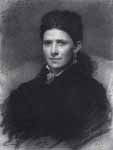
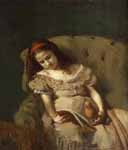
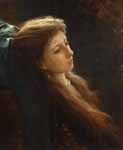
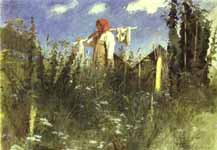
Girl with Washed Linen on the Yoke
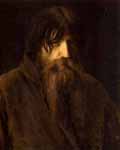
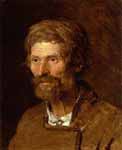
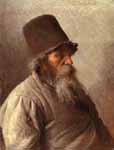
Head of an Old Ukranian Peasant
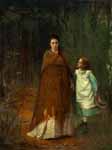
Portrait of the Artist's Wife and Daughter
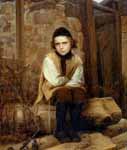
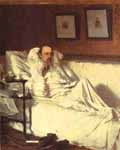
Nekrasov in the Period of Last Songs
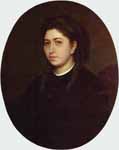
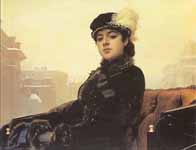
Portrait of a Young Woman Dressed in Black Velvet
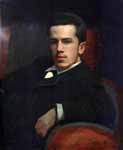
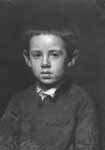
Portrait of Anatoly Kramskoy the Artist's Son
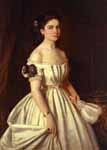
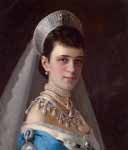
Portrait of Empress Maria Fyodorovna in a Head Dress Decorated with Pearls
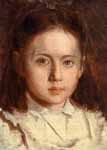
Portrait of Sonya Kramskaya the Artist's Daughter
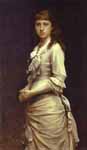
Portrait of Sophia Kramskaya the Artist's Daughter
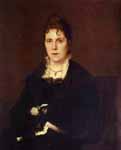
Portrait of Sophia Kramskaya the Artist's Wife
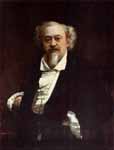
Portrait of the Actor Vasily Samoilov
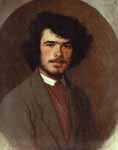
Portrait of the Agronomist Vyunnikov
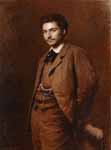
Portrait of the Artist Feodor Vasilyev
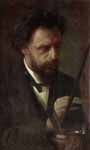
Portrait of the Artist Grigory Myasoyedov
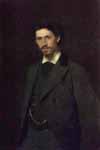
Portrait of the Artist Ilya Repin
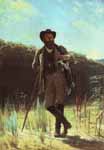
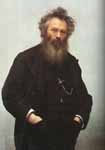
Portrait of the Artist Ivan Shishkin
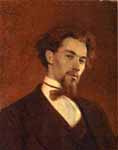
Portrait of the Artist Konstantin Savitsky
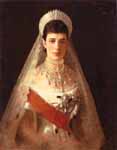
Portrait of the Empress Maria Feodorovna
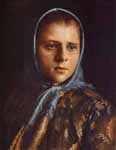
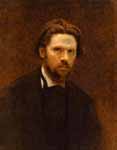
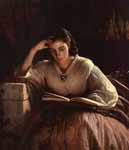
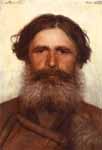
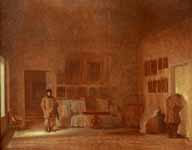
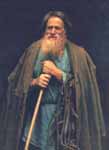
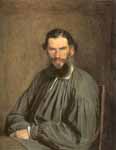
Portrait of the Writer Leo Tolstoy
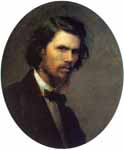
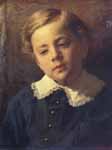
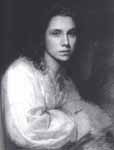
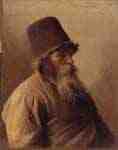
The miller
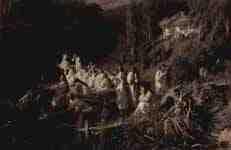
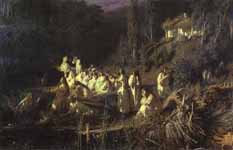
May Night
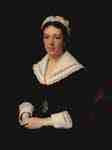
Portrait of Vera Nikolaevna Tretjakowa
Fine Art Prints | Greeting Cards | Phone Cases | Lifestyle | Face Masks | Men's , Women' Apparel | Home Decor | jigsaw puzzles | Notebooks | Tapestries | ...
Christ in the Wilderness
Ivan Nikolaevich Kramskoi (June 8 (O.S. May 27), 1837, Ostrogozhsk – April 6 (O.S. March 24), 1887, Saint Petersburg; Russian: Ива́н Никола́евич Крамско́й) was a Russian painter and art critic. He was an intellectual leader of the Russian democratic art movement in 1860-1880.
Life
Kramskoi came from an impoverished petit-bourgeois family. From 1857 to 1863 he studied at the St. Petersburg Academy of Arts; he reacted against academic art and was an initiator of the "revolt of fourteen" which ended with the expulsion from the Academy of a group of its graduates, who organized the Artel of Artists ("Артель художников").
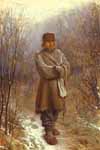
Influenced by the ideas of the Russian revolutionary democrats, Kramskoi asserted the high public duty of the artist, principles of realism, and the moral substance and nationality of art. He became one of the main founders and ideologists of the Company of Itinerant Art Exhibitions (or Peredvizhniki). In 1863–1868 he taught at the drawing school of a society for the promotion of applied arts. He created a gallery of portraits of important Russian writers, scientists, artists and public figures (Lev Nikolaevich Tolstoy, 1873, Ivan Shishkin, 1873, Pavel Mikhailovich Tretyakov, 1876, Mikhail Saltykov-Shchedrin, 1879, Sergei Botkin, 1880) in which expressive simplicity of composition and clarity of depiction emphasize profound psychological elements of character. Kramskoi's democratic ideals found their brightest expression in his portraits of peasants, which portrayed a wealth of character-details in representatives of the common people.
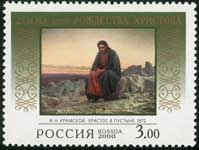
In one of Kramskoi’s most well known paintings, Christ in the Desert (1872, Tretyakov gallery), he continued Alexander Ivanov's humanistic tradition by treating a religious subject in moral–philosophical terms. He imbued his image of Christ with dramatic experiences in a deeply psychological and vital interpretation, evoking the idea of his heroic self-sacrifice.
Aspiring to expand the ideological expressiveness of his images, Kramskoi created art that existed on the cusp of portraiture and genre-painting ("Nekrasov during the period of 'Last songs,'" 1877–78; "Unknown Woman," 1883; "Inconsolable grief," 1884; all in Tretyakov gallery). These paintings disclose their subjects' complex and sincere emotions, their personalities and fates. The democratic orientation of Kramskoi’s art, his acute critical judgments about it, and his persistent quest for objective public criteria for the evaluation of art exerted an essential influence on the development of democratic art and aesthetics in Russia in the last third of the nineteenth century.
Stamps
---
Fine Art Prints | Greeting Cards | Phone Cases | Lifestyle | Face Masks | Men's , Women' Apparel | Home Decor | jigsaw puzzles | Notebooks | Tapestries | ...
---
Artist
A - B - C - D - E - F - G - H - I - J - K - L - M -
N - O - P - Q - R - S - T - U - V - W - X - Y - Z
Retrieved from "http://en.wikipedia.org/"
All text is available under the terms of the GNU Free Documentation License
