

Daniel Nikolaus Chodowiecki
Paintings
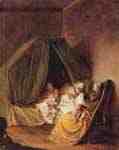
Illustrations
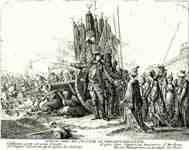
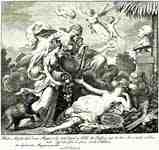
Allegory of the cremation Ruppin's
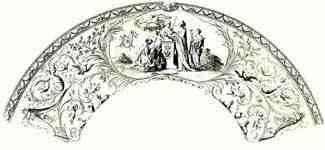
Allegory of the homage of King Friedrich Wilhelm II
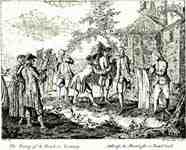
Arrival of the French in Germany
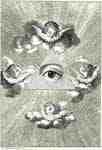
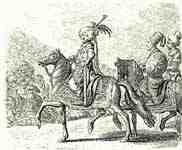
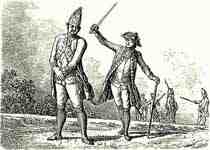
Marched out of the Prussian Army
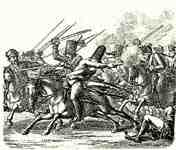
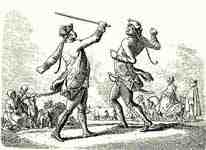
Marched out of the Turkish Army
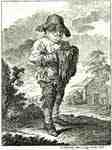
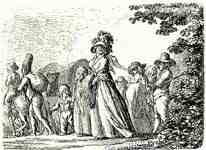
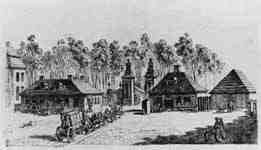
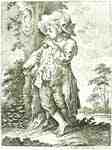
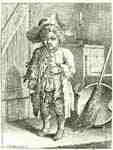
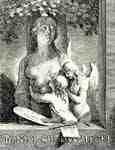
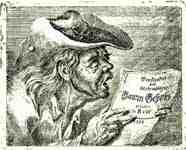
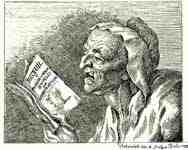
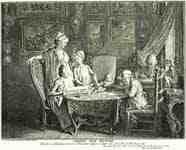
Family Group Sheet of the artist
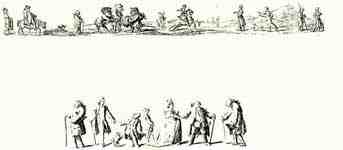
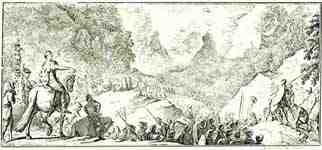
Caesar's train across the Pyrenees
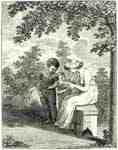
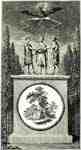
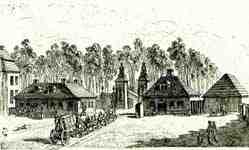
The Brandenburg gate in Berlin
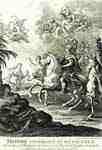
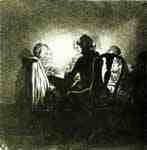
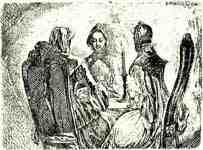
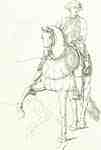
Frederick William II, on horseback
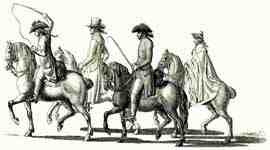
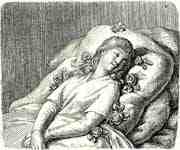
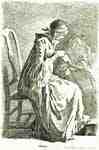
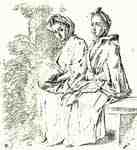
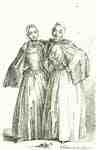
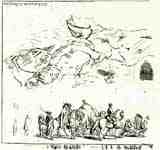
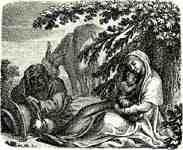
The caravan and sleeping woman
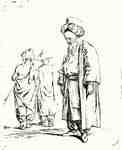
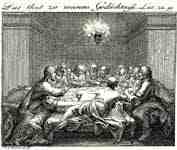
The establishment of the Lord's Supper
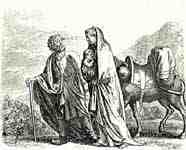
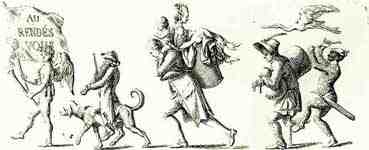
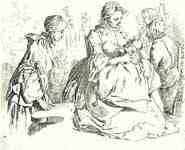
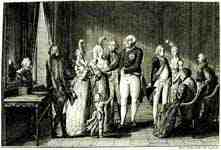
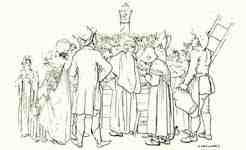
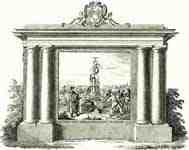
The economic trophy of the Baron of Labes
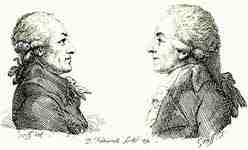
The portraits of Graff and Becker
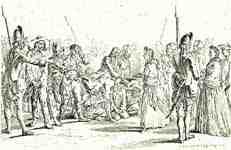
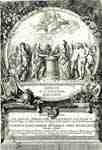
The marriage of Princess Frederica of Prussia
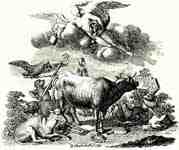
The distribution of the gifts of fortune
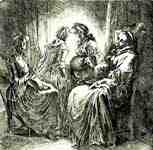
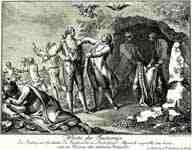
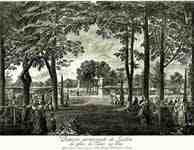
The tents in the Berlin animal garden
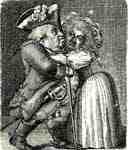
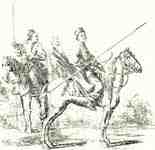
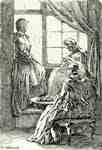
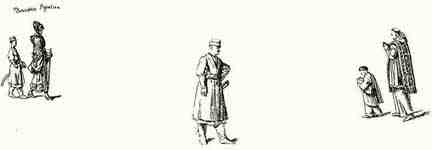
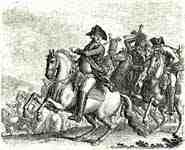
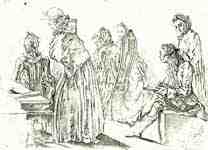
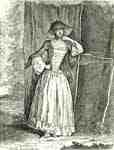
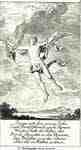
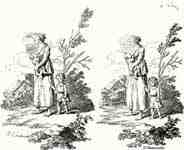
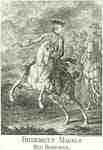
Frederick the Great on horseback
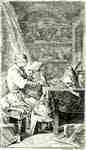
Frontispiece to 'Buffon's Natural History "
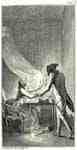
Frontispiece to "Joseph. First Part "
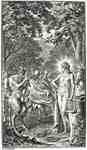
Frontispiece to 'comic stories in verse "
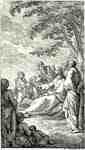
Frontispiece to Basedow's "Hymns"
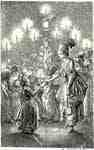
Frontispiece to the "Christmas gift for kids"
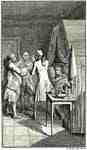
Frontispiece to the Medici niches Annals
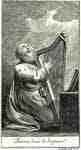
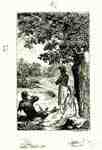
Frontispiece to Ewald's "fantasies on a trip"
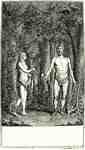
Frontispiece to Gräter Use »Bragur"
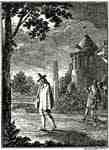
Frontispiece to Nicolai's "Almanac"
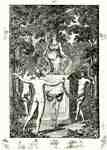
Frontispiece to Hoffmann's "Flora germanica"
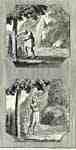
Frontispiece to Krasicki's "The old man has often rejuvenated"
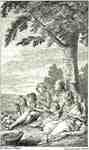
Frontispiece to Campe "Robinson"
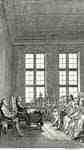
Frontispiece to Basedow's "Hymns"
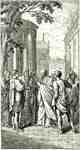
Frontispiece to Basedow's "Practischer philosophy"
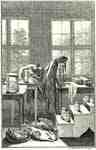 Frontispiece to Blumenbach's "Natural History"
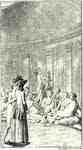
Frontispiece to Lady Montague's "Letters"
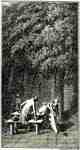
Frontispiece to Lafontaine's "Klara du Plessis"
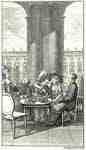
Frontispiece to Winkopp's "Prior Hartungus"
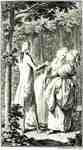
Frontispiece to Rousseau's "Heloise"
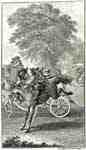
Frontispiece to Scarron's comic novel
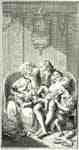
Frontispiece to von Hippel's "On Marriage"
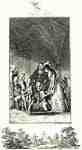
Frontispiece to Becker's "Beatrice Cenci"
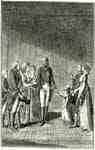
Frontispiece to the Paperback for 1800
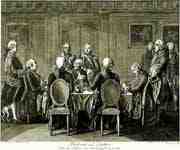
General of Ziethenstraße on the board of Frederick II
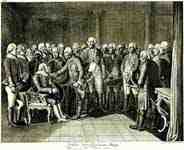
General of Ziethenstraße and Frederick II
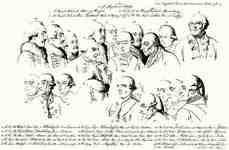
General of Ziethenstraße and Frederick II
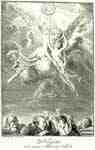
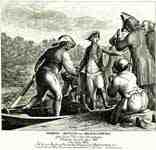
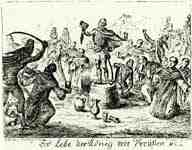
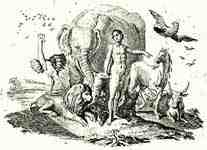
Illustration to "Buffon's Natural History"
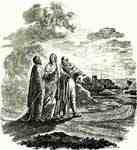
Illustration to "The disciples of Emmaus"
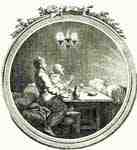
Illustration to "The disciples of Emmaus"
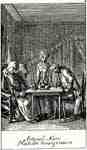
Illustration to "Huon de Bordeaux"
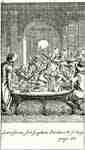
Illustration to "Huon de Bordeaux"
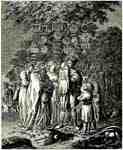
Illustration to Klein's "life and portraits of the great Germans"
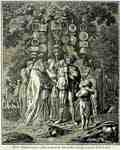
Illustration to Klein's "life and portraits of the great Germans"
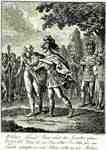
Illustration to Klein's "life and portraits of the great Germans"
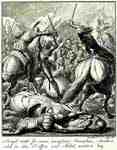
Illustration to Klein's "life and portraits of the great Germans"
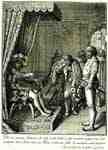
Illustration to Klein's "life and portraits of the great Germans"
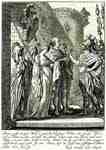
Illustration to Klein's "life and portraits of the great Germans"
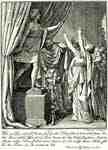
Illustration to Klein's "life and portraits of the great Germans"
Daniel Niklaus Chodowiecki (16 October 1726 – 7 February 1801) was a Polish—and later German—painter and printmaker with Huguenot ancestry, who is most famous as an etcher. He spent most of his life in Berlin, and became the director of the Berlin Academy of Art.
Family
He was born in the city of Danzig (Gdańsk) in Poland, and in a letter “in typical Berlin humor”[ wrote, “that he moved to Berlin, Germany, which shows for sure, that he is a 'genuine Pole'.” He kept close to the Huguenot scene, due to his ancestry.
His grandfather Bartholomāus Chodowiecki had lived in the 16th century in Greater Poland. Gottfried Chodowiecki, Daniel's father, was a tradesman in Danzig and his mother, Henriette Ayrer born in Switzerland, was a Huguenot. Daniel's grandfather Christian had been a tradesman in the city as well. When his father died, both Daniel (aged 16) and his younger brother Gottfried Chodowiecki went to live with their uncle in Berlin, who offered to educate them, and where Daniel received an artistic training with the painter Haid in Augsburg. His brother also became a painter.
He had three daughters, Jeannette (b. 1761, married the French-reformed preacher Jacques Papin), Suzanne (1763–1819) and Henriette (1770–1880). Jeannette's daughter Marianne Chodowiecka Papin (married Gretschel, 1794–1870) and her son Heinrich Papin (1786–1839) also became artists.[1]
Art
Minuet in the park, 1760s (National Museum in Warsaw)
Cartoon etching by Chodowiecki, 1781, on the Partition of Poland
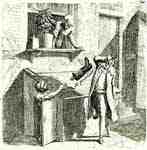
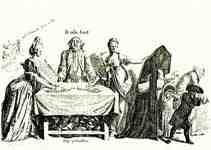
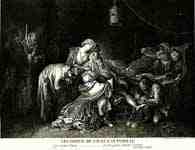
Soon Daniel was able to earn a living by painting. He was admitted to the Berlin Academy in 1764 and became vice-director under Bernhard Rode in 1788. He had found his true calling and became the most famous German graphic artist of his time. His works includes several thousand etchings, usually rather small, and many drawings and paintings. His book illustrations embrace almost all the great classics. His prints represent in great detail the life of the bourgeoisie during the Zopfstil period, a time between Rococo and Classicism. In 1797 Chodowiecki was appointed director of the Academy of Arts in Berlin, where he died on 7 February 1801. The bulk of his work was in illustrating scientific books by Basedow, Buffon, Lavater, Pestalozzi and others. He also painted many portraits of Polish gentry and was interested in Huguenot and Polish history as well, making some paintings on the topic. He was in tune with the developing spirit of the age, and many works reflect the cult of sensibility, and then the revolutionary and German nationalist feelings of the end of the century.
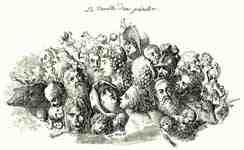
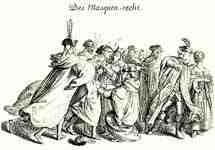
In printmaking, he is credited with the invention of the deliberate remarque, a small sketch on a plate, lying outside the main image. These were originally little sketches or doodles by artists, not really meant to be seen, but Chodowiecki turned them into "bonus items" for collectors.
Chodowiecki, though speaking only French and German[2] (due to his offices in the Huguenot French community in Berlin he often spoke French), many times also declared his Polish allegiance and had his son Isaac Heinrich, born in Berlin, painted as a very young child with a Polish outfit and haircut. After Partitions of Poland Chodowiecki wrote to Gräfin Solms-Laubach: "From father's side I'm Polish, a descendant of a brave nation which will soon vanish".[3] In a letter to Józef Łęcki, the Polish astronomer, he wrote: "I consider it an honour to be a genuine Pole, even though I am now living in Germany".[3] Because of his mother's and his wife's Huguenot descent he was very close to the Huguenots of Berlin. Nearly all his life and career was spent in Germany, writing in German and living in Berlin from the age of almost 17.
Chodowiecki depicted on a 1 million papiermark note (1923)
Chodowiecki depicted on a 1 million papiermark note (1923)
One of his most popular books is "Journey from Berlin to Danzig" (German: "Die Reise von Berlin nach Danzig", 1773) with many illustrations. He purchased a horse rather than going by stage coach. This was his first return after 30 years absence and he went specifically to see his elderly mother and sisters in Danzig again. He made only one more trip to Danzig afterwards, to his mother's funeral. He describes and illustrates towns and people in Pomerania and Prussia on the way.
Chodowiecki is buried at the Französischer Friedhof cemetery in Berlin.
References
"Jeannette Papin (German, 1761 – 1835) – The Athenaeum". www.the-athenaeum.org. Retrieved 3 August 2017.
Hartmut Boockmann, Ostpreussen und Westpreussen, Siedler 2002, ISBN 3-88680-212-4
Charlotte Steinbrücker: Listy D. Chodowieckiego. Berlin, 1921.
Wolfgang Plat, Die Reise nach Danzig, Mit Daniel Chodowiecki durch Pommern
----
Fine Art Prints | Greeting Cards | Phone Cases | Lifestyle | Face Masks | Men's , Women' Apparel | Home Decor | jigsaw puzzles | Notebooks | Tapestries | ...
----
Artist
A - B - C - D - E - F - G - H - I - J - K - L - M -
N - O - P - Q - R - S - T - U - V - W - X - Y - Z
Retrieved from "http://en.wikipedia.org/"
All text is available under the terms of the GNU Free Documentation License
