

Albert Anker
Paintings
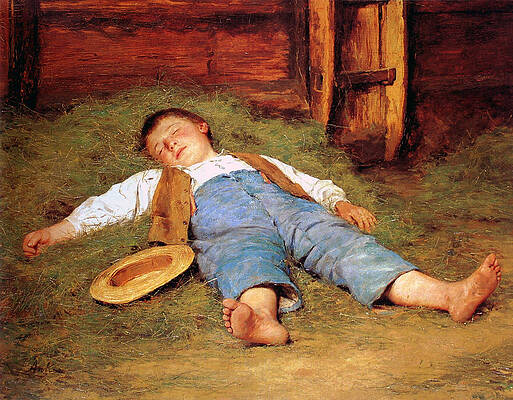
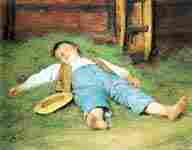
Sleeping boy in the hay
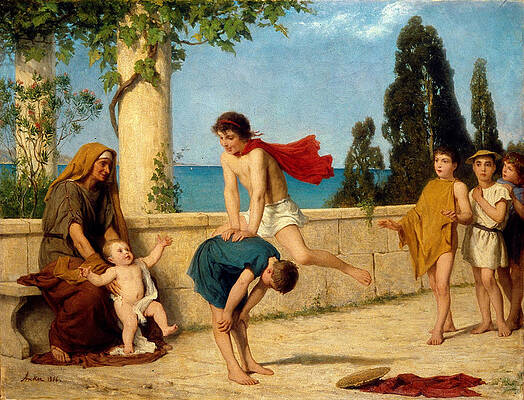
Boeckligumpen
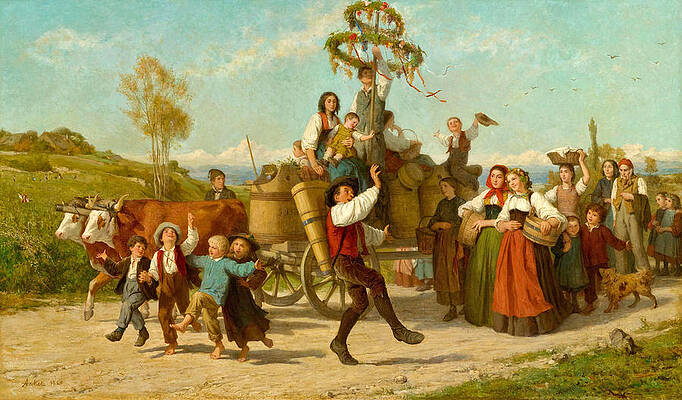
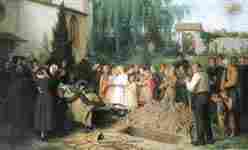
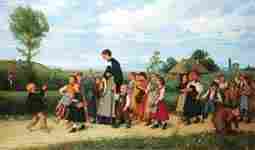
The Grape Harvest Festival
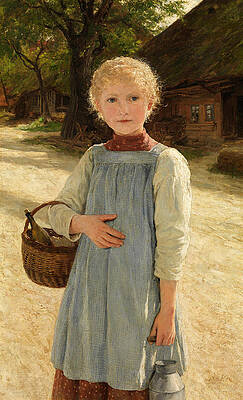
Girl with milk jug and basket
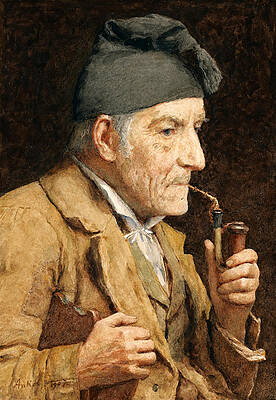
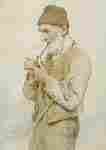
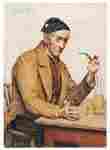
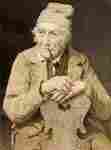
Old man smoking his pipe
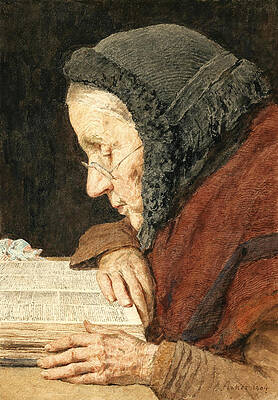
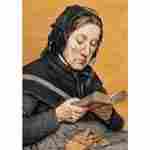
Elderly Woman Reading the Bible

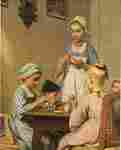
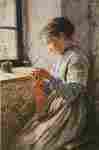
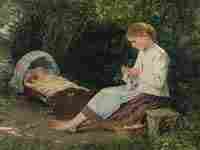
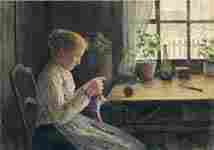
Knitting girl watching the toddler in a craddle
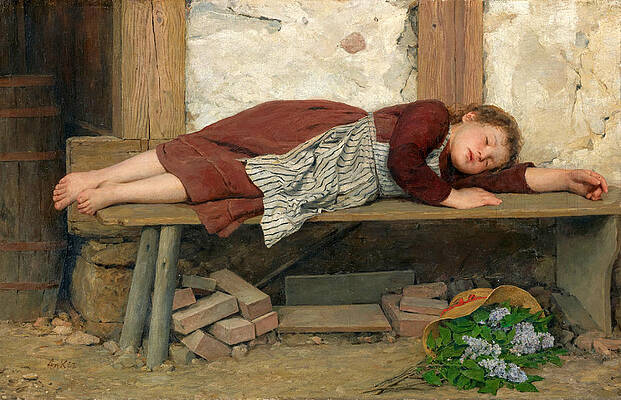
Sleeping Girl on a Wooden Bench
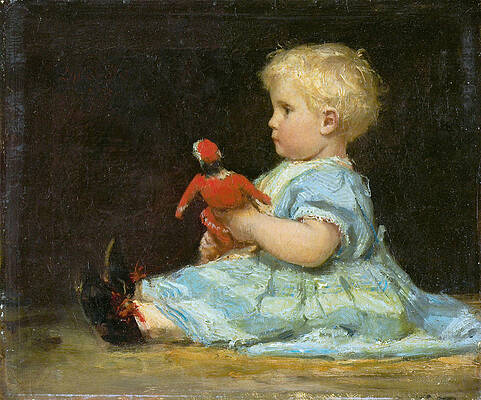
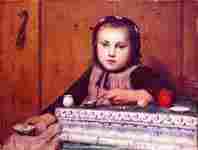
Marie Anker with Doll

Portrait of a Girl
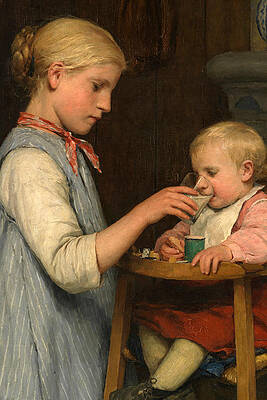
The little mother

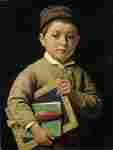
Schoolboy
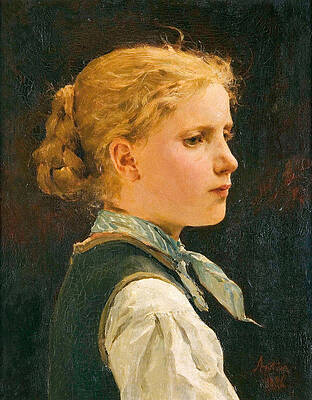
Portrait of a Girl
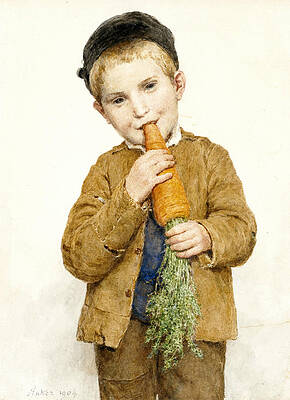
The Little Boy with the Big Carrot

Girl in Bernese costume
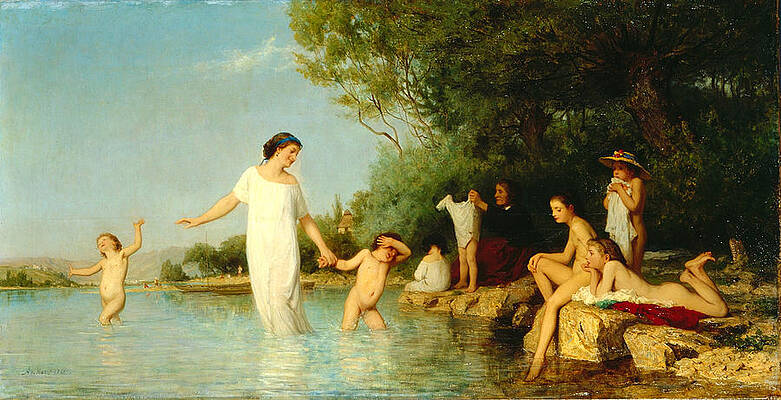
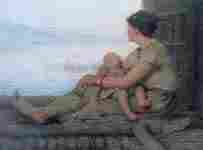
Bathers

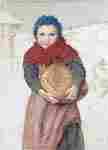
Girl with red hood
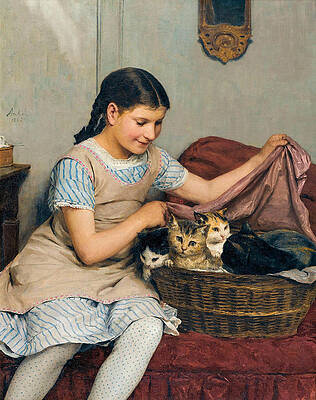
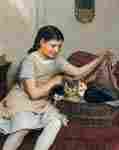
Girl with cats

Grandfather on the oven bench
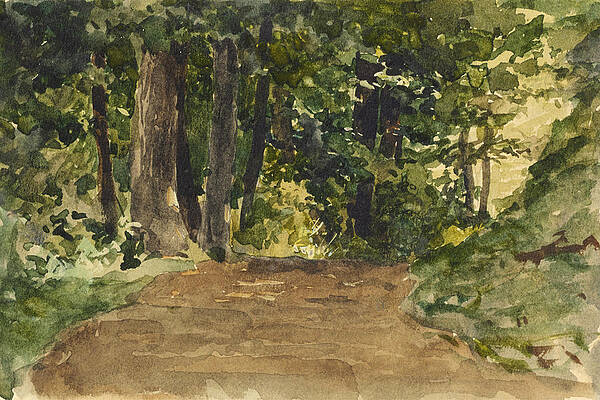
Forest Road

Girl with Bouquet
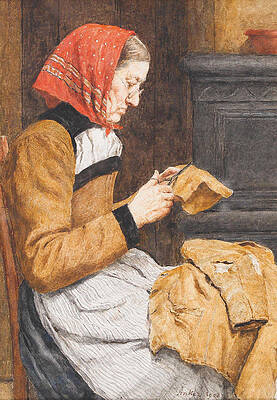
Grandmother with patchwork
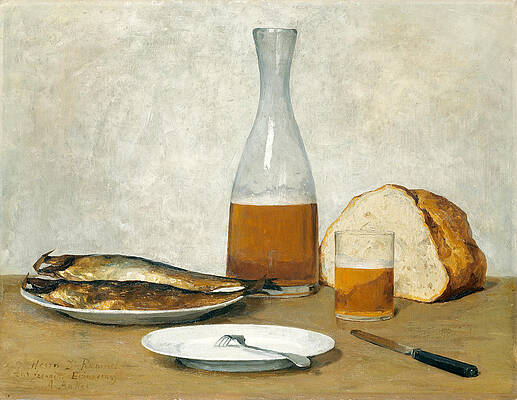
Herring

Portrait of a young boy
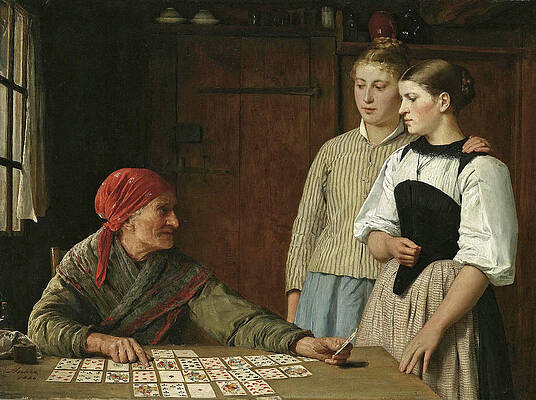
Fortune Teller
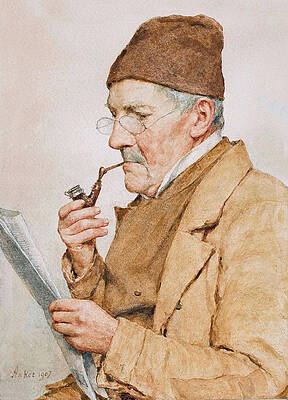
Old pipe smoker reading the Seelaender Boten

Grandmother spooning the Soup to her Grandchild
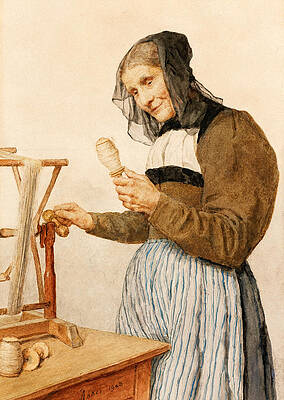
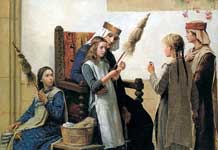
Old Woman with Spindle
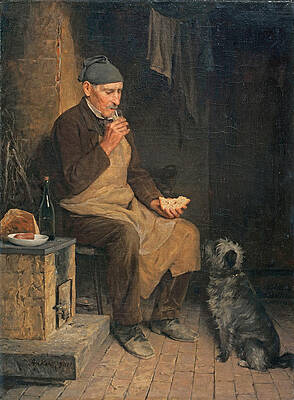
Old Man taking a Rest. Gyp

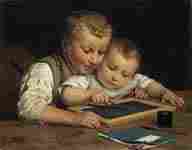
Writing boy with sister
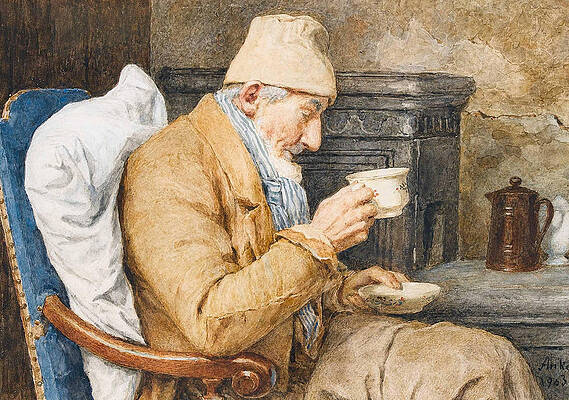
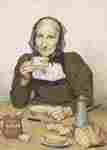
Grandfather with Cup of Coffee
The Girl with the dominoes, Tondo
Young mother contemplating her sleeping child in candlelight
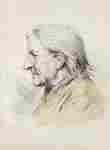
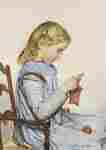
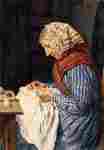
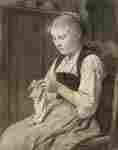
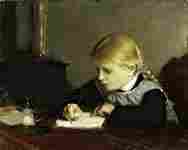
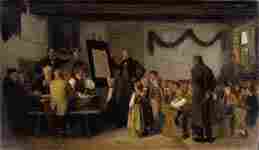
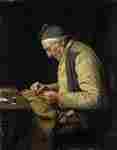
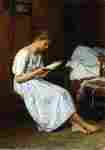
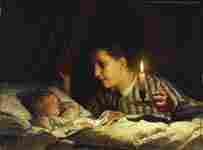
Young mother, looking her sleeping child at candlelight
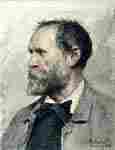
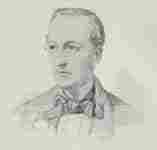
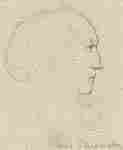
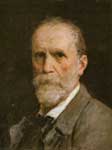
Self-portrait in profile to the left
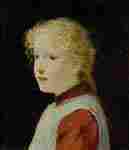
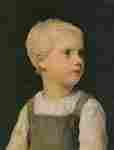
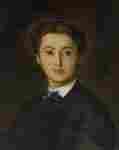
Portrait of Therese von Wyttenbach-Fischer
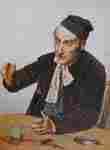
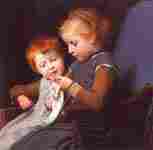
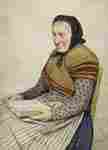
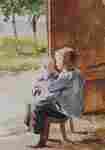
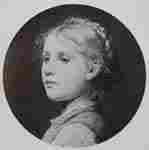
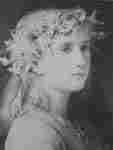
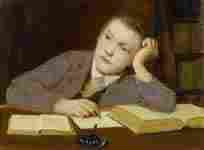
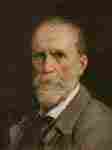

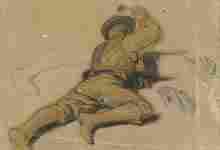
Study on The Kappeler milk soup
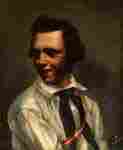
Self-Portrait as Zofinger Student
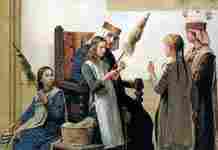
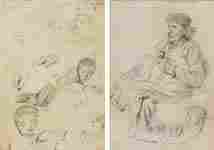
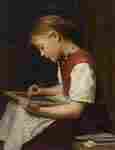
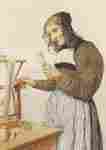
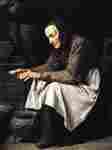
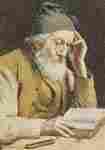
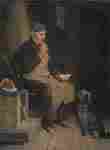
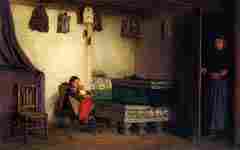
An Interior with Mother and Children
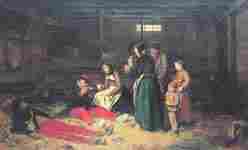
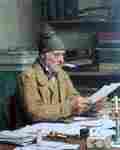
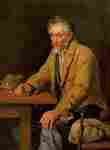
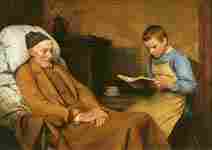
The devotion of the grandfather
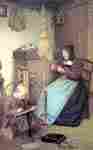
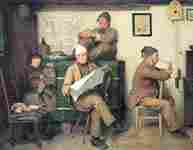
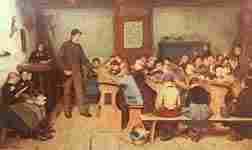
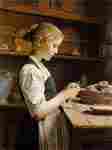
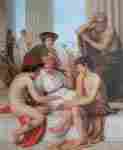
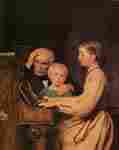
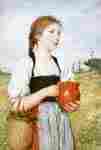
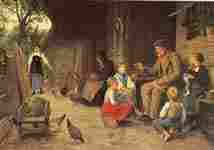
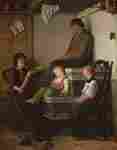
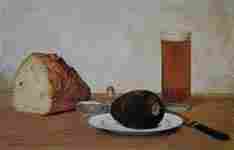
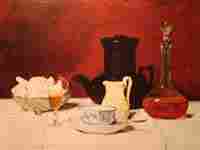
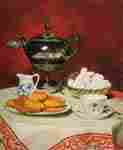
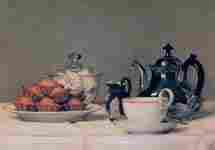
Still life of tea and bread rolls
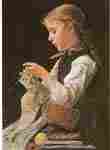
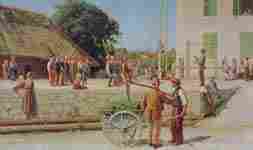
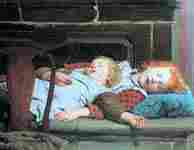
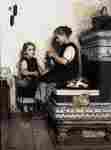
Two sleeping girl near the stove
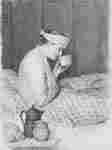
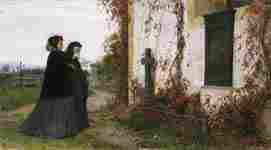
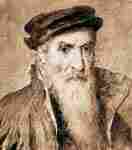
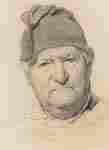
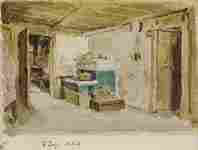

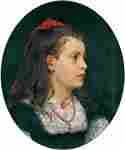
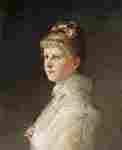
Portrait of Christine Preiswerk
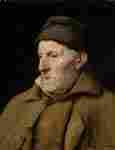
Portrait of Jean-Jaques Küffer
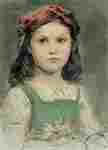
Portrait of a girl with red head covering
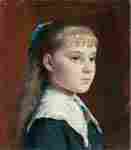
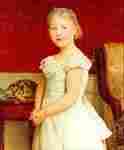
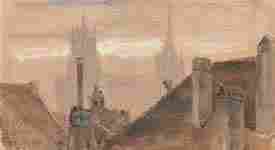
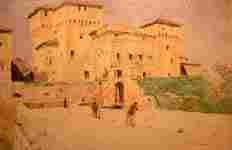
View of the Cathedral of Lausanne
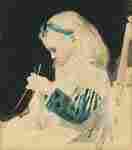
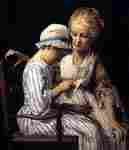
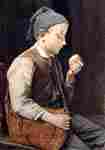
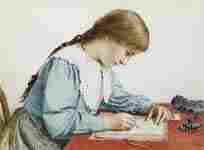
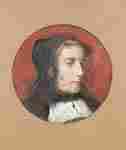
Chest picture of a young woman in costume, with hood
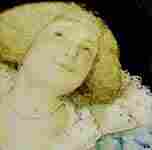
Bust of a blond woman with necklace
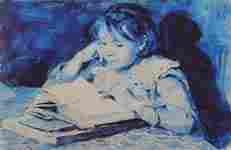
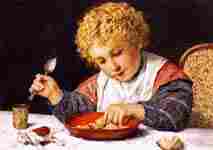
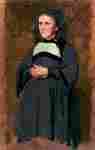
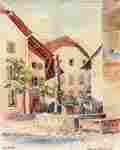
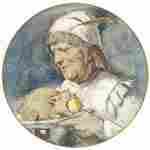
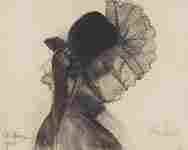
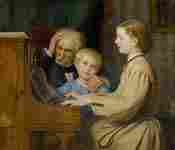
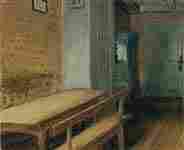
The Room - Study of Interieur (The Nursery)
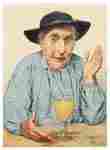
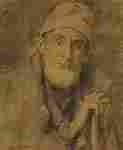
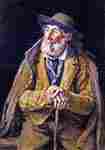
Old Feissli with Stick and Hat
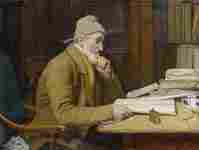
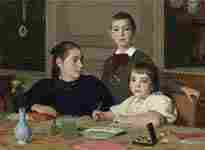
The Siblings Zaeslin; 2) Rosy Zaeslin (STUDY)
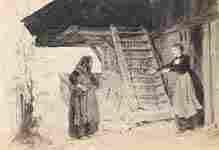
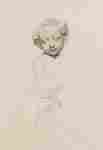
Drawing of a boy after a classical sculpture.
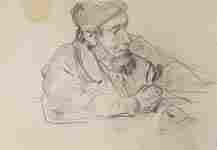
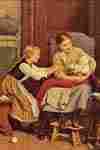
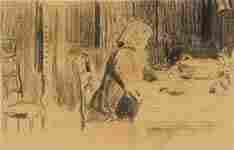
Woman at Table - Verso Interior with Table
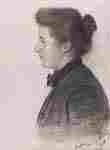
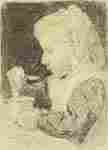
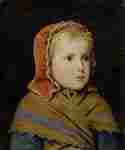
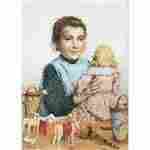
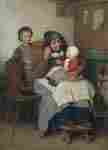
Grandmother giving Soup to her Grandchild
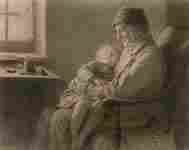
Grandfather with Sleeping Granddaughter
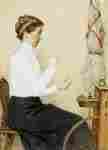
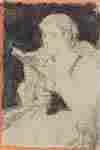
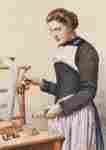
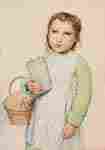
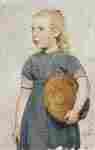
Young Girl with basket of provisions
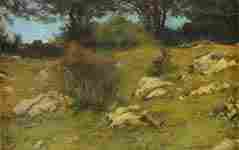
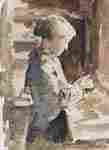
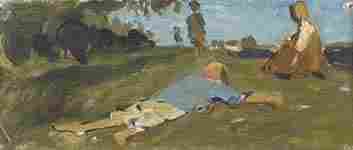
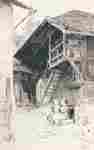
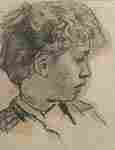
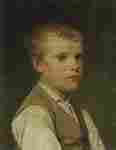
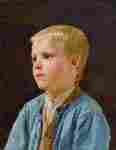
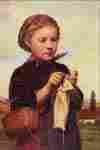
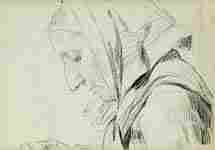
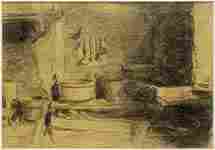
Kitchen Interion, on the Back Girl Portrait
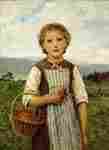
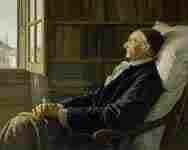
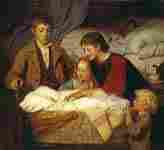
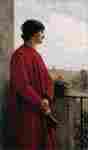
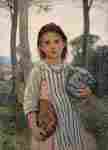
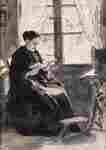
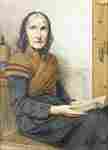
Reading Grandmother at Furnace
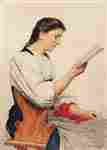
Reading Young Peasant Woman, Sitting Right
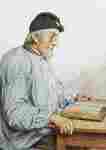
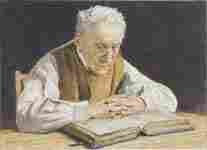
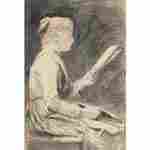
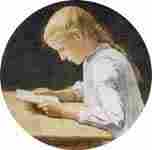
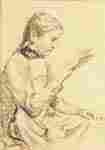
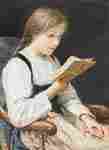
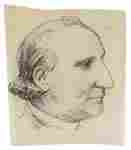
Lot of five drawings
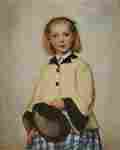
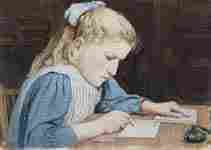

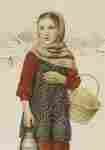
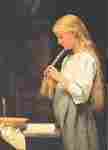
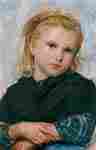
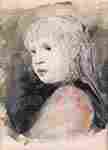
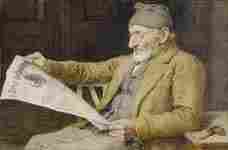
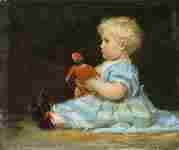
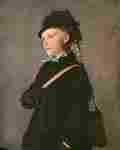
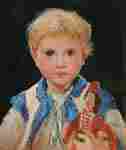
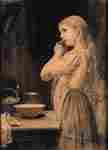
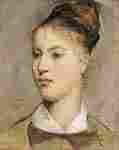
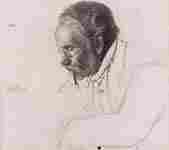
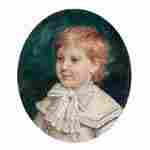
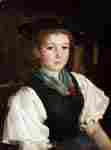
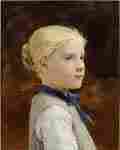
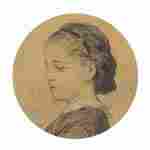
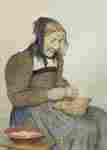
Portrait of a woman peeling an apple
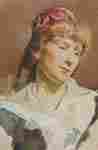
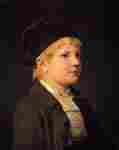
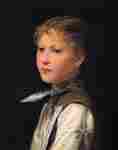
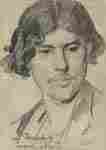

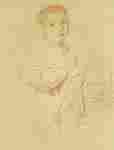
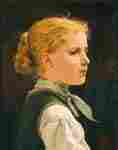
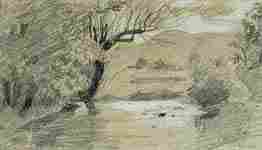
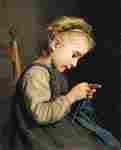
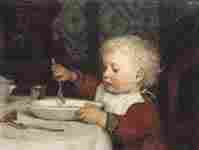
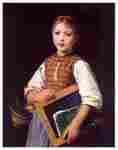
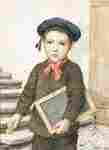
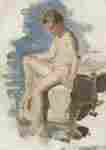
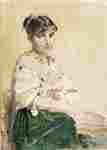
Sitting Girl with Hair Band and Cloth Shoulder, Right
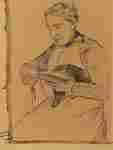
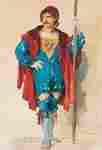
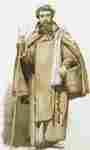
Soldier in 16th century costume

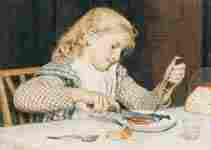
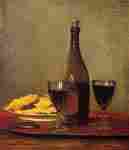
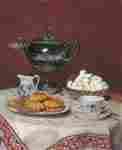
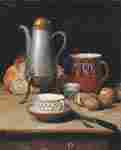
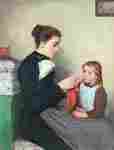
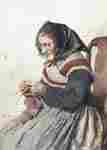
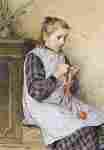
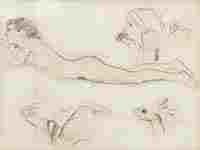
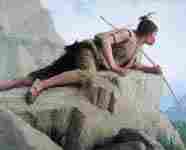
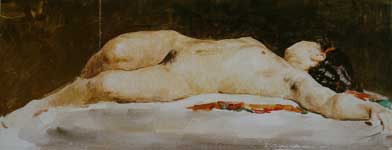
Study for Anker's 'Die Badenden'
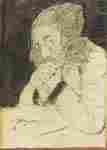
Study for 'Grandmother reading'
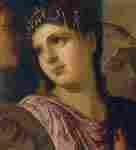
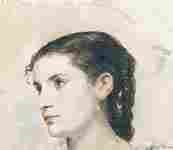
Head of Young Girl, her eyes very profound
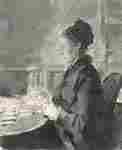
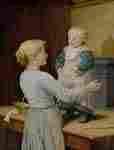
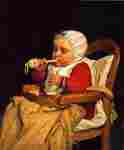
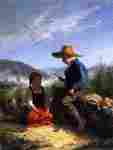
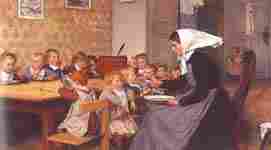
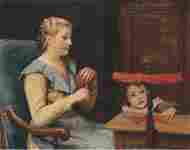
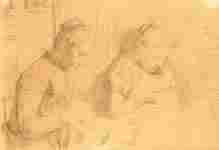
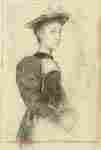
Young woman in traditional costume
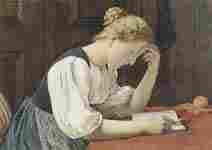
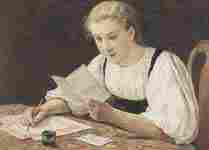
Young woman reading at a table
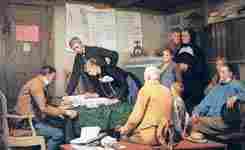
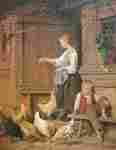
Two children in front of a barn
Fine Art Prints | Greeting Cards | Phone Cases | Lifestyle | Face Masks | Men's , Women' Apparel | Home Decor | jigsaw puzzles | Notebooks | Tapestries | ...
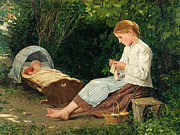
Albrecht Samuel Anker (April 1, 1831 – July 16, 1910) was a Swiss painter and illustrator who has been called the "national painter" of Switzerland because of his enduringly popular depictions of 19th-century Swiss village life.[1]
Life
Born in Ins as the son of veterinarian Samuel Anker (then a member of the constituent assembly of the Canton of Bern), Anker attended school in Neuchâtel, where he and Auguste Bachelin, later a fellow artist, took early drawing lessons with Louis Wallinger in 1845–48.[2] In 1849–51, he attended the Gymnasium Kirchenfeld (de) in Bern, graduating with the Matura.[2] Afterwards, he studied theology, beginning in 1851 in Bern and continuing at the university of Halle, Germany. But in Germany he was inspired by the great art collections, and in 1854 he convinced his father to agree to an artistic career. In Neuchâtel he got his name Albert, because it was much easier to pronounce for his French speaking classmates.
Anker moved to Paris, where he studied with Charles Gleyre and attended the École nationale supérieure des Beaux-Arts in 1855–60.[2] He installed a studio in the attic of his parents' house and participated regularly in exhibitions in Switzerland and in Paris.[1] Anker married Anna Rüfli in 1864, and they had six children together; the four children who did not die at an early age – Louise, Marie, Maurice and Cécile – appear in some of Anker's paintings. In 1866, he was awarded a gold medal at the Paris Salon for Schlafendes Mädchen im Walde (1865) und Schreibunterricht (1865); in 1878 he was made a knight of the Légion d'honneur.[2] In 1870–74 he was a member of the Grand Council of Bern,[2] where he advocated the construction of the Kunstmuseum Bern.
Apart from his regular wintertime stays in Paris, Anker frequently travelled to Italy and other European countries. In 1889–93 and 1895–98 he was a member of the Swiss Federal Art Commission and in 1900 he received an honorary doctorate from the University of Bern.[2] A stroke in 1901 reduced his ability to work. Only after his death in 1910 was there a first exposition dedicated to him, held at the Musée d'art et d'histoire in Neuchâtel.[1]
Works
Le petit chaperon rouge, (Little Red Riding Hood), 1883
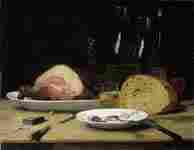
The exactingly painted Still Life: Excess (1896) depicts the remnants of a large meal
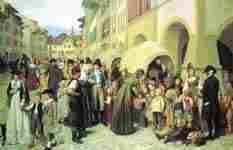
During his studies, Anker produced a series of works with historical and biblical themes, including paintings of Luther and Calvin.[1] Soon after returning to Ins, though, he turned to what would become his signature theme: the everyday life of people in rural communities. His paintings depict his fellow citizens in an unpretentious and plain manner, without idealising country life, but also without the critical examination of social conditions that can be found in the works of contemporaries such as Daumier, Courbet or Millet.[1] Although Anker did paint occasional scenes with a social significance, such as visits by usurers or charlatans to the village, his affirmative and idealistic Christian world-view did not include an inclination to issue any sort of overt challenge.[1]
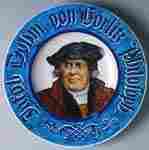
Also prominent in Anker's work are the more than 30 still lifes he created. They depict both rural and urban table settings in the tradition of Chardin, their realist solidity reflecting Anker's vision of a harmonic and stable world order.[1] In addition, Anker created hundreds of commissioned watercolours and drawings, mostly portraits and illustrations, including for an edition of Jeremias Gotthelf's collected works.[1] To provide for a steady income, Anker also decorated more than 500 faience plates for the Alsatian producer Théodore Deck.[1]
Anker was quick to reach his artistic objectives and never strayed from his chosen path. His works, though, exude a sense of conciliation and understanding as well as a calm trust in Swiss democracy; they are executed with great skill, providing brilliance to everyday scenes through subtle choices in colouring and lighting.[1] Their parochial motives belie the open-mindedness towards contemporary European art and events that Anker's correspondence reflects.[1]
Reception
Albert Anker's work made him Switzerland's most popular genre painter of the 19th century, and his paintings have continued to enjoy a great popularity due to their general accessibility.[1] Indeed, as a student, Anker summed up his approach to art as follows: "One has to shape an ideal in one's imagination, and then one has to make that ideal accessible to the people."[1]
Many Swiss postage stamps and other media have incorporated Anker's work. His studio in Ins has been preserved as a museum by the Albert Anker Foundation. One of Anker's greatest admirers and collectors is former Swiss Federal Councillor Christoph Blocher, since the 1980s Switzerland's most influential conservative politician, who also published an apologetic essay on Anker.[3]
References
Bhattacharya-Stettler, Therese (1998). "Albert Anker" (PDF). SIKART dictionary and database (in German). Swiss Institute for Art Research. External link in |work= (help)
"Albert Anker – Biographie" (PDF). Albert Anker – Schöne Welt. Zum 100. Todestag. Eine Auseinandersetzung mit Albert Anker 7. Mai – 5. September 2010 (in German). Kunstmuseum Bern. 2010. External link in |work= (help)
Christoph Blocher (2006). "Schweizer Malerei: Tröstlich anzusehen" (in German). Die Weltwoche 17/06.
Bibliography
(German) H.A. Lüthy, S. Kuthy, Albert Anker (1980)
(German) S. Kuthy, T. Bhattacharya-Stettler, Albert Anker, Ölgemälde und Ölstudien (1995)
----
Fine Art Prints | Greeting Cards | Phone Cases | Lifestyle | Face Masks | Men's , Women' Apparel | Home Decor | jigsaw puzzles | Notebooks | Tapestries | ...
----
Artist
A - B - C - D - E - F - G - H - I - J - K - L - M -
N - O - P - Q - R - S - T - U - V - W - X - Y - Z
Retrieved from "http://en.wikipedia.org/"
All text is available under the terms of the GNU Free Documentation License
